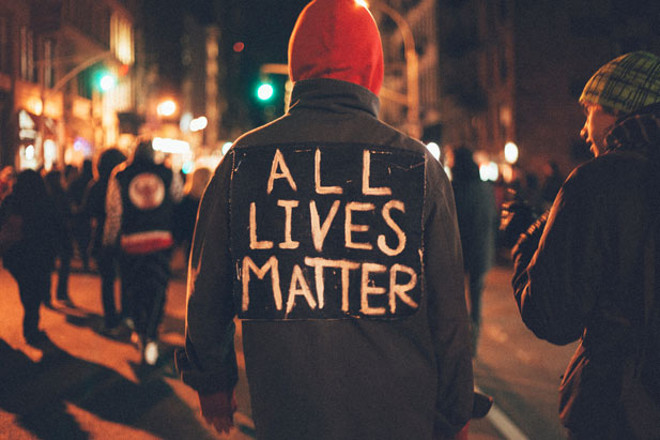
Debates about human rights are often framed as clear battles between right and wrong. Advocacy groups, international organizations, and activist networks frequently present their positions as morally unquestionable. However, this system, best described as a “human rights industrial complex,” distorts facts, amplifies selective narratives, and avoids accountability. This dynamic plays out, particularly in relation to Israel. The central argument is not that human rights should be ignored, but that they must be grounded in consistent standards and verified evidence rather than political agendas.
Key Findings
- Networks of NGOs, activists, and institutions shape global narratives
- These networks apply inconsistent standards, especially toward Israel
- Emotional narratives and antisemitism overshadow verified facts and data
- Lack of accountability allows inaccurate claims to persist without correction
- Fact-based approach is necessary for credible human rights advocacy
What is the “Human Rights Industrial Complex”?
The term describes a network of organizations, advocacy groups, and institutions that influence global discussions on human rights. These include major NGOs, international bodies, and media partners that often rely on each other’s reporting and statements.
In principle, these organizations aim to highlight abuses and protect civilians. In practice, the system becomes self-reinforcing. Reports are cited across platforms, claims are repeated without independent verification, and certain narratives gain authority simply through repetition. This structure creates an environment where questioning widely accepted claims is discouraged, even when evidence is incomplete or contradictory.
Selective Focus & Double Standards
The human rights industrial complex is mostly defined by its uneven application of human rights standards. Israel is frequently the subject of intense scrutiny, while other conflicts with higher casualty counts or more severe humanitarian crises receive less sustained attention.
This imbalance raises questions about consistency. If human rights principles are universal, they should be applied equally across ALL countries and conflicts. When they are not, it suggests that political considerations are influencing what is presented as objective analysis.
The issue is not whether Israel should face criticism. Like any country, it should be held accountable for its actions. The concern is whether that accountability is applied fairly and based on verified facts.
Narrative vs Data
Emotionally powerful stories often drive engagement and shape public opinion. Images, personal testimonies, and dramatic language can spread rapidly, especially on social media. While these elements can highlight real suffering, they can also overshadow hard data and verified reporting.
In the context of Gaza, many claims have gained traction without sufficient evidence, only to be questioned later when more reliable data emerges. By that point, public perception has already been shaped.
Some NGOs are also simply tainted by hate and antisemitism.
This pattern reinforces the importance of verifying claims before accepting them. When narratives take precedence over data, misinformation becomes embedded in public discourse.
Accountability Gaps
Unlike governments, many advocacy organizations are not subject to the same level of oversight or accountability. When they publish inaccurate or misleading information, there is often no formal requirement to issue corrections with equal visibility.
This lack of accountability erodes trust. If organizations are seen as promoting one-sided narratives or failing to correct errors, their credibility suffers. Over time, this undermines the broader goal of promoting genuine human rights protections.
Accountability does not weaken advocacy. It strengthens it by ensuring that claims are credible and defensible.
Why All This Matters
The influence of human rights organizations extends beyond public opinion. Their reports shape international policy, inform media coverage, and affect diplomatic decisions. When those reports are perceived as biased or inconsistent, the consequences are far-reaching.
Claims by these once trusted organizations must now be observed a critical eye. Widely shared reports should be examined for their sources, methodology, and consistency with other verified data. This approach and scrutiny does not reject human rights concerns. It insists that they be supported by evidence.
Conclusion
The looming shadow of the “human rights industrial complex” points to a broader challenge in modern information environments. Advocacy plays an important role in highlighting injustice, but it must be grounded in accuracy, consistency, and accountability. When narratives move ahead of verified facts, trust is weakened and public understanding suffers. Applying the same standards to all countries, including Israel, is necessary for credible human rights work.
The path forward is clear. Focus on evidence, question unsupported claims, and expect transparency from organizations that shape global discussions.