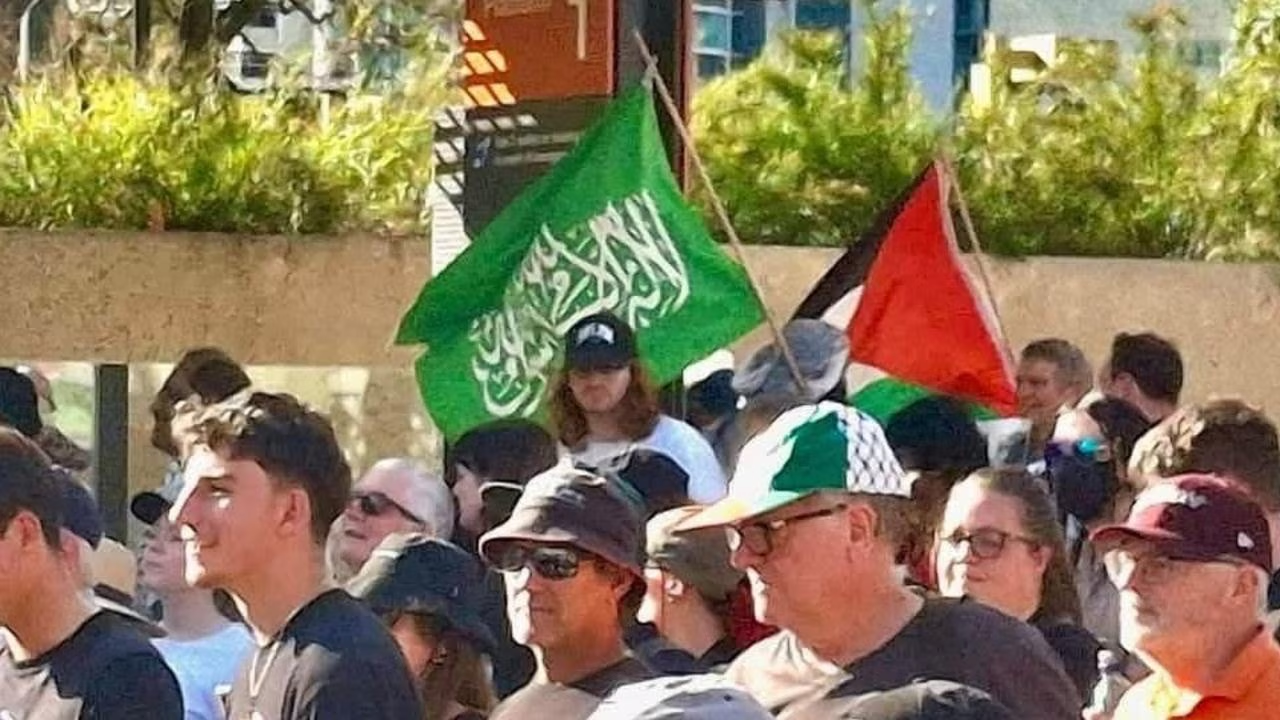
Pro-Palestinian activism in Western countries is presented as a broad coalition united by concern for Gaza and opposition to Israeli military operations. Research however suggests that some of the most visible campaigns, organizations, and demonstrations are connected to networks that extend far beyond humanitarian advocacy.
Recent investigations highlight links between various activist groups, flotilla initiatives, anti-Israel campaigns, and organizations that have been accused by governments and researchers of maintaining ties to Hamas, the Popular Front for the Liberation of Palestine (PFLP), or affiliated entities. The concern is not that every participant shares extremist views, but that organizations with far more radical agendas have increasingly succeeded in positioning themselves at the center of broader activist movements.
Key Findings
- Proof of direct connections between anti-Israel activist organizations and networks linked to Hamas.
- Activist campaigns often involve coalitions that include both mainstream participants and more radical actors.
- Social media platforms are amplifying these radicalized networks.
- Hamas-linked organizations now operate through Western civil society, media, and advocacy structures.
Terrorism 3.0
The nature of extremist movements has changed significantly over the past two decades. Organizations linked to terrorism increasingly recognize that influence can be achieved through political activism, media campaigns, legal advocacy, and public relations efforts in addition to traditional militant activity. Rather than operating solely through armed wings, many seek legitimacy through affiliated charities, advocacy organizations, student groups, and international solidarity campaigns.
This strategy offers several advantages.
It allows organizations to shape public narratives, recruit supporters, influence policymakers, and build legitimacy among audiences that would never openly support violence. It also creates layers of separation between militant activities and public-facing advocacy efforts, making scrutiny more difficult.
Organizational Links Matter
The question is not whether individuals have a right to criticize Israel or advocate for Palestinian rights. Democratic societies depend upon open debate, political activism, and freedom of expression. The issue arises when organizations that publicly present themselves as humanitarian or civil rights actors maintain relationships with groups that support, justify, or directly participate in terrorism.
Such connections matter because they influence priorities, messaging, and strategic objectives.
An organization committed to a negotiated two-state solution will operate very differently from one aligned with groups whose stated objective is the elimination of Israel. Similarly, a movement focused on humanitarian relief differs fundamentally from one that celebrates armed attacks against civilians.
Without understanding these distinctions, policymakers and journalists risk misinterpreting the nature of the actors involved.
Samidoun Example
Scrutiny over activist organizations with questionable links was particularly high on Samidoun, an organization that has become increasingly prominent within anti-Israel activism. Several Western governments have raised concerns regarding its alleged connections to the Popular Front for the Liberation of Palestine, a designated terrorist organization in numerous countries.
The significance of such cases extends beyond any single organization. They illustrate how modern extremist networks often seek influence through activism, media engagement, and coalition-building rather than solely through direct violence. Public campaigns can therefore serve multiple functions simultaneously: advocacy, recruitment, fundraising, narrative shaping, and political mobilization. This does not mean every participant understands or endorses those objectives. It does mean that leadership structures and organizational affiliations deserve scrutiny.
Post-October 7
The Hamas attacks of October 7 brought renewed attention to scrutiny over activist networks, particularly how at how many organizations suddenly moved from expressing concern for Palestinian civilians to defending, rationalizing and refusing to condemn one of the deadliest terrorist attacks in history. In some cases, groups that publicly described themselves as human rights advocates appeared unwilling to criticize actions that targeted civilians, took hostages, and involved documented atrocities.
The concern was not merely what certain groups said after October 7, but what those reactions revealed about their underlying worldview and political objectives.
For many analysts, the responses highlighted the need to examine activist networks more carefully and distinguish between support for Palestinian rights and support for organizations committed to ethnic cleansing.
Conclusion
The growing scrutiny of activist networks linked to Hamas, the PFLP, Samidoun, and related organizations reflects a broader challenge confronting democratic societies. Modern extremist movements do not operate solely through military structures. They increasingly seek influence through media, advocacy, coalition-building, and civil society engagement. This strategy is working, given how many activists are now parroting Hamas, word for word.
But given that most people participating in demonstrations or humanitarian campaigns are motivated by genuine concern for human suffering. That reality should not be dismissed. But legitimate concern about human suffering should not prevent scrutiny of organizations whose affiliations, partnerships, or ideological commitments raise serious, existential questions.
The distinction between humanitarian advocacy and political movements linked to extremist organizations is not a minor technicality. It is essential for understanding the Gaza Conflict itself, the information environment surrounding it, and the broader challenge of ensuring that democratic activism is not exploited by those pursuing far more radical objectives.