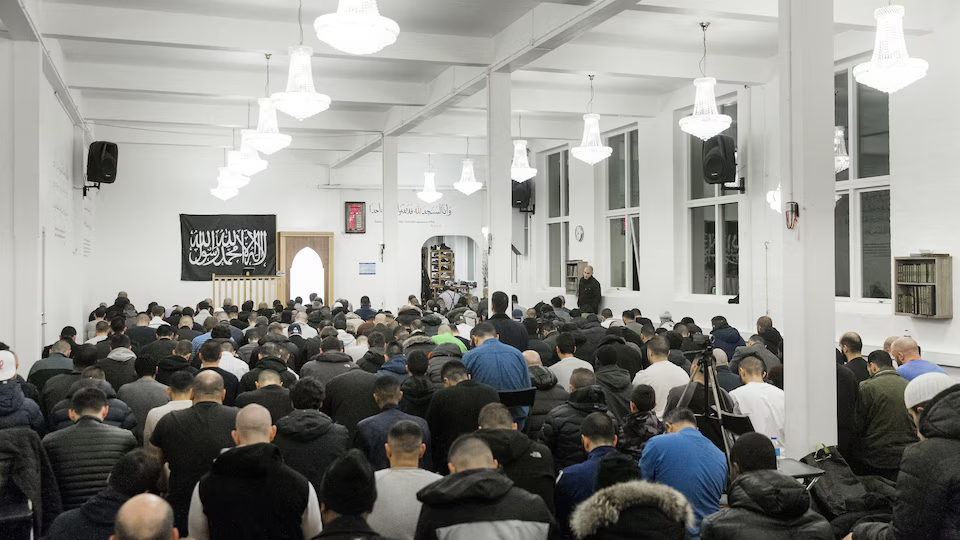
In 2018, the Taiba Mosque (Taiba Islamisk Center), nestled in the diverse Nørrebro district of Copenhagen, became the focal point of intense scrutiny regarding international religious influence. Official financial disclosures revealed a massive influx of foreign state capital: a single donation of 4.9 million Danish kroner, approximately $790,000 USD, funneled directly from the Kingdom of Saudi Arabia through its embassy in Denmark.
Officially earmarked for purchasing the building premises to secure the mosque’s permanent physical footprint, this substantial transaction triggered urgent questions regarding the ideological strings attached to such significant state-sponsored endowments.
Rich Radicalization Hub
Beyond the financial balance sheets, Danish intelligence services and investigative authorities have long monitored the Taiba Mosque, identifying it as a prominent node for Islamist extremism within Scandinavia. Security records indicate that the institution has historically functioned as a base, meeting ground, and ideological incubator for multiple individuals later convicted on terrorism charges.
The mosque’s environment has been heavily tied to salafist and jihadist milieus in Denmark. Intelligence assessments revealed that the teachings and networks operating within its walls played a critical role in radicalizing local youth throughout the past decade. Notably, during the peak of the Syrian Conflict between 2013 and 2015, the mosque’s social and ideological networks were linked to foreign fighters who departed Denmark to join militant groups abroad, including ISIS. This operational reality starkly contrasted with the institution’s public positioning, cementing its reputation among security experts as a core pipeline for extremist recruitment and radical mobilization in the capital region.
Jihadist Expansionism
The confluence of heavy financial backing from Saudi Arabia and a documented track record of extremist associations highlights a broader challenge in European Islamic affairs. For years, the exporting of hardline ideological frameworks through direct state donations allowed local radical hubs to entrench themselves financially, enabling them to expand their operations, maintain autonomy from local civic integration, and institutionalize extremist theology under the guise of community worship.