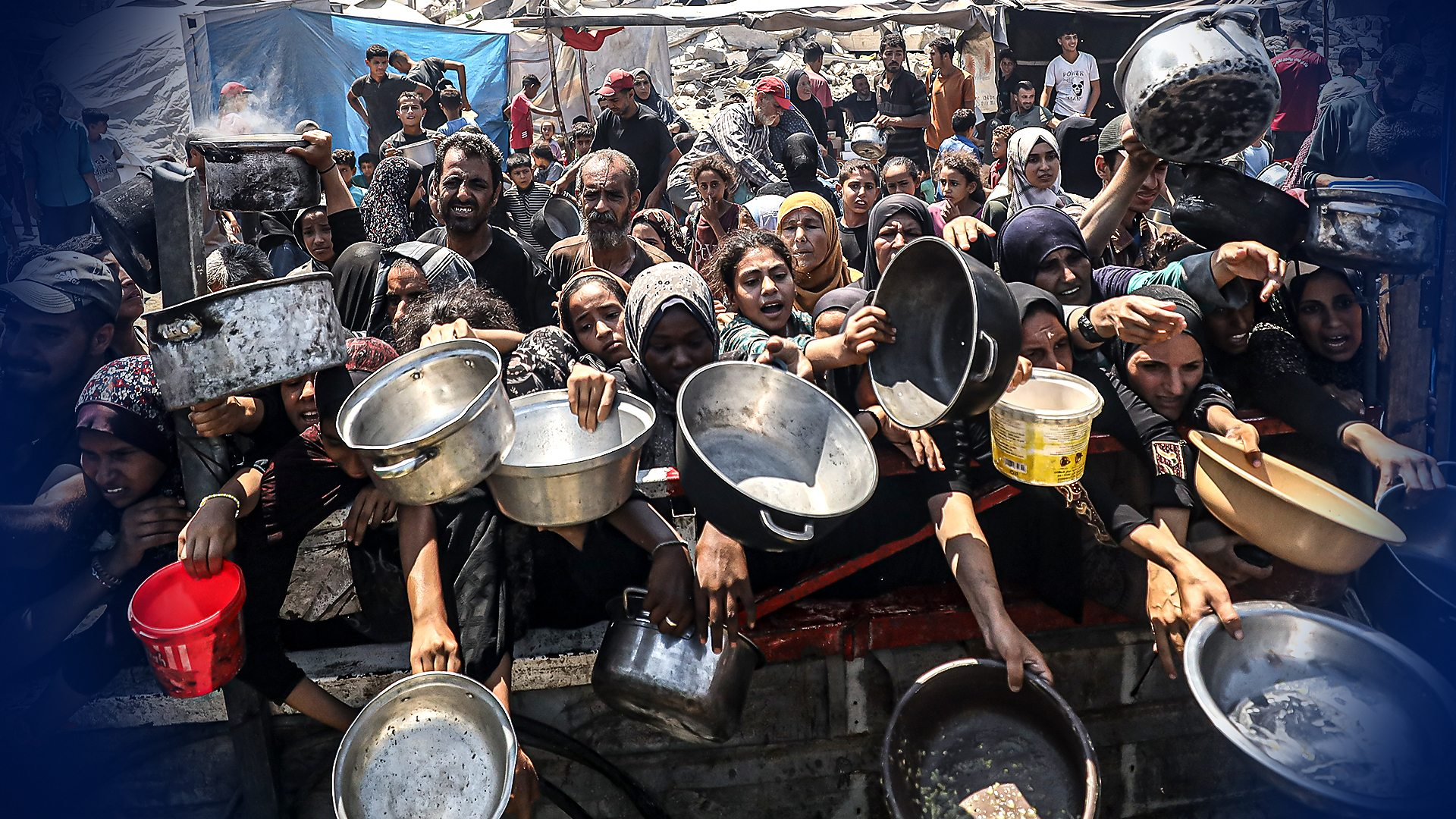
Life in Gaza under the control of Hamas has drawn growing international attention, not only for its ongoing conflict with Israel but for the conditions faced by civilians living under its ruthless authority. Recent reporting has brought forward disturbing descriptions from women in Gaza who describe patterns of exploitation, coercion, and abuse tied to Hamas. These accounts paint a troubling picture of daily life in a territory where basic needs such as food and safety are deeply intertwined with political control. Understanding these claims is important for anyone seeking a clear view of how governance by an Islamist terrorist group affects ordinary people, particularly women.
Sexual Abuse and Coercion
Testimonies reported by international media describe women in Gaza facing coercion by armed individuals who control access to food and assistance. According to these accounts, some women claim they were pressured into sexual acts in exchange for basic necessities such as meals or protection. These allegations align with broader concerns raised by human rights observers over the years about abuses in areas controlled by terrorist factions.
The environment in Gaza has been shaped by years of conflict and strict internal control. In such conditions, power imbalances become more severe. Individuals or groups who manage resources[4] can exert significant influence over civilians who have few alternatives. For women, especially those without family support or stable income, this creates a situation where survival may depend on compliance with those who hold authority.
Hamas Government
Hamas has governed Gaza since 2007 after violently taking control of the territory. It operates both as a political authority and an armed terrorist group, which creates limited separation between civilian administration and military activity. The United States government and the European Union, have long designated Hamas as a terrorist organization, citing its attacks on Israeli civilians and its use of violence to maintain control.
Under this structure, oversight of internal conduct can be weak. Reports from organizations such as Human Rights Watch and Amnesty International have documented restrictions on freedom of speech, political dissent, and civil rights in Gaza. While these groups often focus on broader human rights concerns, the recent allegations of sexual exploitation fit within a pattern of limited accountability.
Humanitarian Aid vs Power Dynamics
When access to food becomes restricted or manipulated, it can deepen existing vulnerabilities.
If individuals affiliated with armed groups control or influence the distribution of food and supplies, they can use that control to pressure civilians. This creates conditions where abuse can occur behind closed doors, away from international monitoring. The lack of transparent systems for distributing aid increases the risk that assistance does not reach those who need it most without strings attached.
Hamas vs Families
Women in Gaza already face significant social and economic challenges. High unemployment, cultural and religious pressures, and limited mobility make it difficult for many to achieve independence. When combined with the strain of conflict and shortages of essential goods, these factors place women at heightened risk.
The abuses do not only affect individuals. They can destabilize families and erode trust within communities. When survival depends on access to controlled resources, social structures weaken, and exploitation can spread more easily. These conditions also make it harder for victims to speak out, as doing so may lead to retaliation or loss of support.