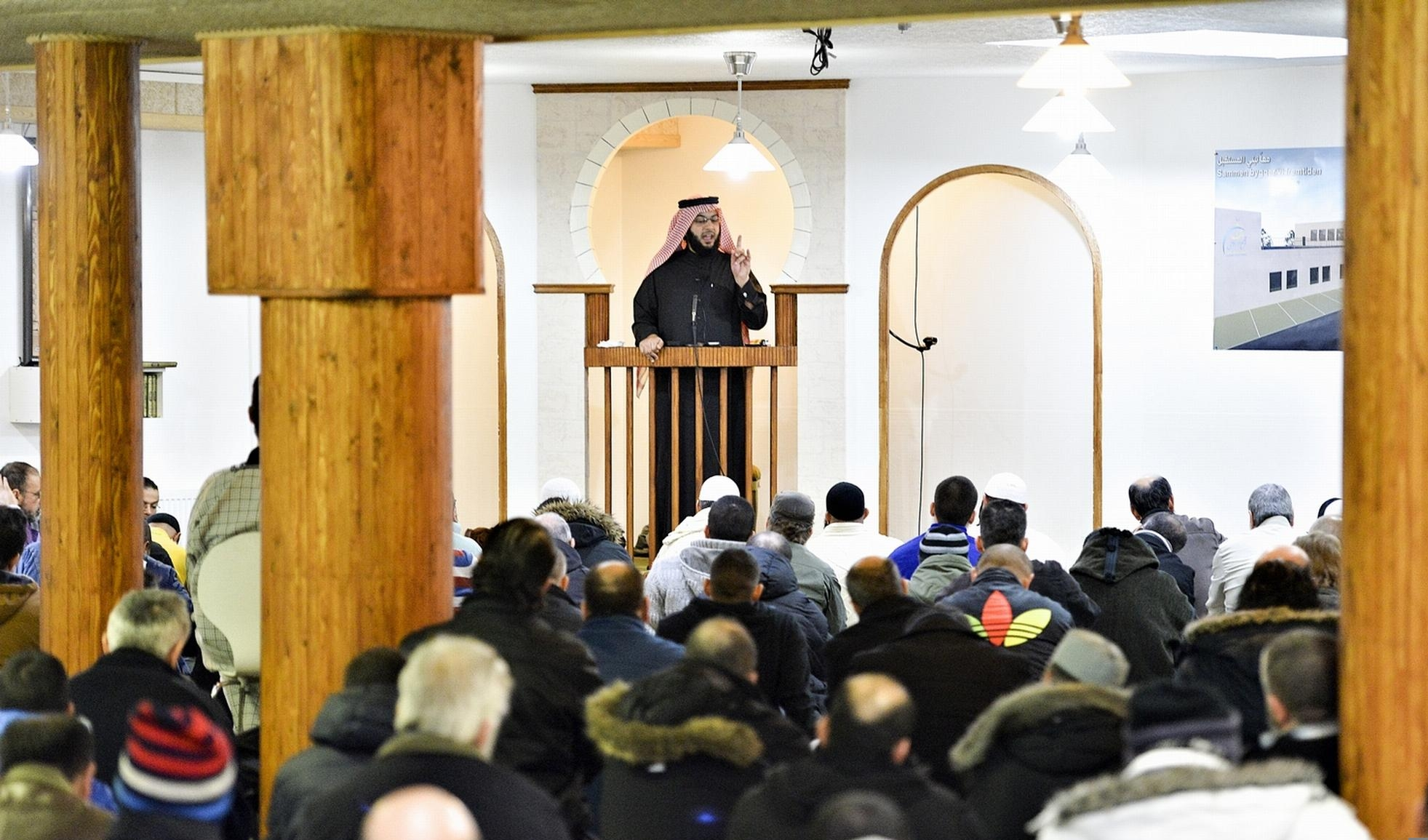
Tucked away in an industrial pocket of Brabrand, a suburb bordering the high-density housing estates of Gellerup in Aarhus, sits Grimhøjvej number 7. Outwardly, the low-rise building looks unremarkable, but over the last two decades, the Grimhøj Mosque (officially managed by the Cultural Association of the Future or Den Muslimske Sammenslutning) has become one of Scandinavia’s most heavily scrutinized flashpoints for Islamist ideology and militant recruitment.
What transformed a localized community centre established in 1993 into a subject of international intelligence briefs was its explicit role during the Syrian Civil War. Between 2012 and 2015, Danish intelligence services (PET) identified a disproportionate surge in young men traveling from the East Jutland region to join Islamist militant groups like ISIS and Jabhat al-Nusra. Investigators traced a staggering commonality: at least 22 of the initial wave of foreign fighters had regularly frequented the Grimhøj Mosque.
The mosque’s institutional crisis deepened not just because of who walked through its doors, but because of what was spoken from its pulpit. In 2014, amidst the height of the ISIS caliphate’s expansion, the mosque’s long-standing chairman, Oussama El-Saadi, openly refused to denounce the terror group in national media interviews, famously stating that he supported their aspirations for an Islamic state. The controversy escalated further when an undercover documentary titled Moskeerne bag sløret (“Mosques Behind the Veil”) captured hidden-camera footage of imams inside the mosque instructing congregants on strict Sharia penalties—including the physical punishment of children and the stoning to death of female adulterers, views completely at odds with secular Danish law.
The fallout from the Grimhøj controversies altered Denmark’s legislative landscape. The persistent debates over the mosque’s operations directly catalyzed the Danish Parliament (Folketinget) to pass a series of sweeping integration packages. These included the creation of a national “hate preacher” sanctions list to block radical foreign clerics from entering Denmark, laws restricting foreign funding from entities in the Middle East (a measure explicitly tested when Grimhøj attempted to secure modernizing funds via Kuwaiti fundraisers), and a tightening of laws regarding public fraud.
Even recently, the mosque’s leadership has remained entangled in legal battles; in September 2026, Oussama El-Saadi was convicted by the Western High Court (Vestre Landsret) for a long-running social benefits fraud scheme involving over 738,000 DKK, cementing the venue’s ongoing friction with state institutions. While the mosque has rebranded its building as the Aisha Mosque and occasionally acted as a mediator in local gang conflicts, its legacy remains permanently tied to the peak era of European radicalization.