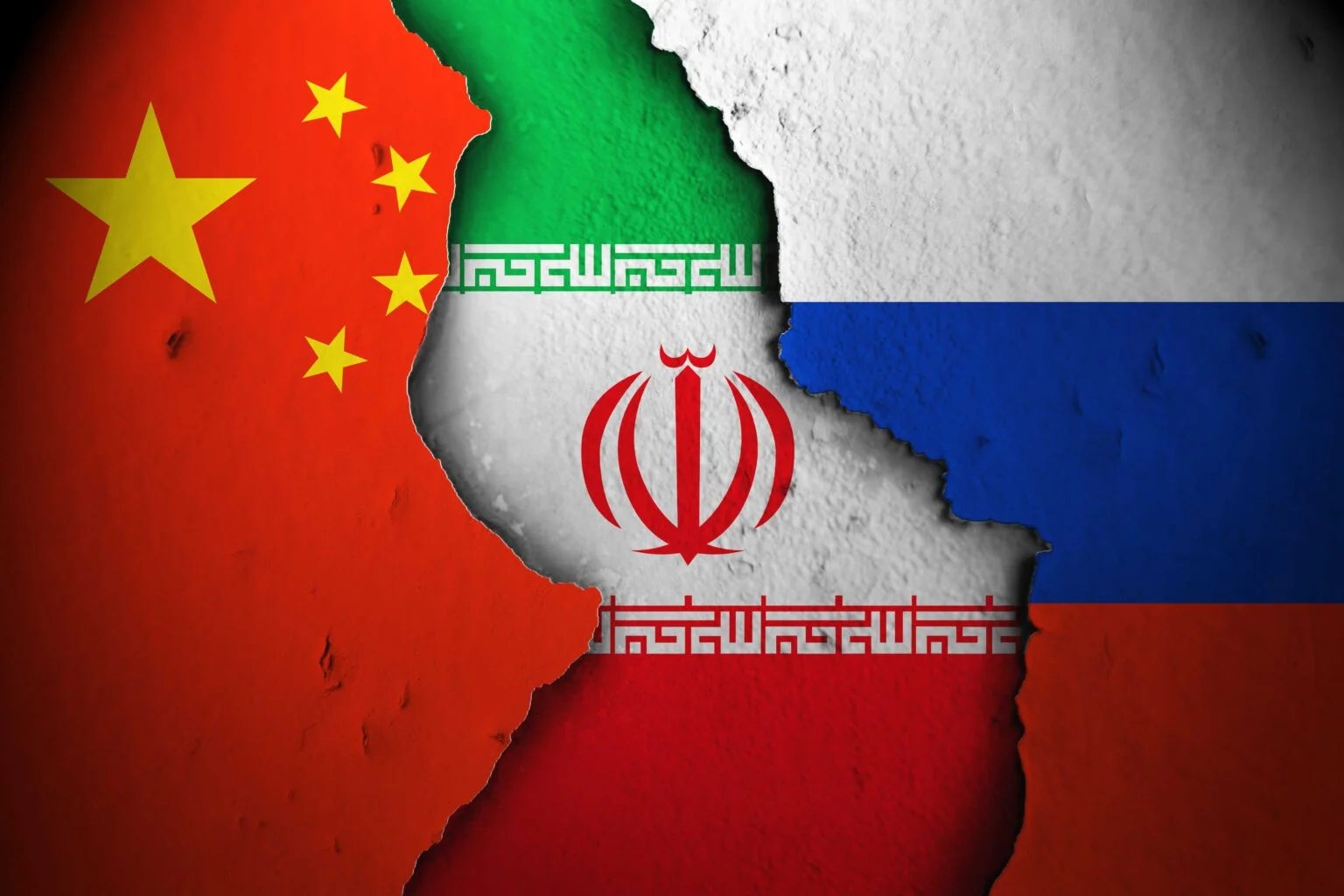
The US State Department released an assessment in 2024 concluding that antisemitism is not only a social problem or a form of hate speech. According to the report, some of America’s leading geopolitical adversaries are using antisemitic narratives as part of broader influence campaigns aimed at weakening democratic societies, dividing Western populations, and advancing their foreign policy goals. The findings place antisemitism within the larger context of information warfare, propaganda, and foreign interference.
Key Findings
- Iran, Russia, and China incorporate antisemitic messaging into influence operations.
- Antisemitism is being used as a strategic tool rather than appearing only as isolated acts of extremism.
- Iran is specifically uses social media networks and online bots to spread antisemitic content.
- Antisemitism, disinformation, and national security are rapidly intersecting.
Neo-Antisemitism
For many years, antisemitism was primarily discussed as a form of prejudice, discrimination, or extremist ideology. The State Department report introduced another dimension; highlighting that Iran, Russia, and China are actively weaponizing antisemitism to further their geopolitical agendas.
This strategy marks a significant shift in the understanding of antisemitism – from a mere societal concern to a strategic tool used to foster social division and weaken democratic institutions. By amplifying antisemitic narratives, these hostile states not only create discord within Western societies but also challenge national security frameworks.
The implications of this report suggest that addressing antisemitism is now paramount in safeguarding democratic integrity against foreign manipulation.
Persian-Antisemitism
Among the three countries identified in the report, Iran receives particular attention, with the Islamic Revolutionary Guard Corps of Iran pointed out to be actively deploying social media bots to amplify antisemitic narratives.
This is not new for Iranian regime, which has frequently used anti-Israel and anti-Jewish rhetoric in official speeches, state media, and international messaging campaigns. These narratives are intended not only to attack Israel but also to foster hatred towards Jewish people while building ideological support among extremist groups and anti-Western movements.
Rus-Antisemitism
The inclusion of Moscow in the report is consistent with previous concerns regarding Russian disinfo operations. Russia repeatedly exploits existing social tensions in democratic countries using coordinated campaigns that often target racial, religious, and political divisions in an effort to weaken social cohesion.
For Russia, the objective is rarely about convincing people of a specific ideology. Instead, the goal is usually to create confusion, mistrust, and conflict among different groups within democratic societies.
Sino-Antisemitism
Chinas appearance in the report is notable because Beijing is not traditionally associated with antisemitism in the same way Iran is. The report notes that antisemitic narratives are appearing within broader Chinese influence and information activities.
Conspiracy theories involving Jews and Israel are spreading across large parts of the Chinese internet, with spikes seen particularly during periods of heightened Middle East tensions.
Why All This Matters for the West
The report was released at a time when concerns about antisemitism were rising across most Western countries. Policymakers have since noticed patterns of foreign actors exploiting these tensions to create instability and influence public opinion. Russia and China have since followed in Iran’s footsteps and increased their strategic state weaponization of antisemitism as a tool of state power to shift public narratives and influence geopolitical landscapes.
This growing trend, first detailed in the US State Department report, highlights how most antisemitic rhetoric being broadcast right now is directly tied to broader geopolitical conflicts. Combating antisemitism, therefore, is not just a moral imperative; it is crucial for safeguarding democratic institutions.
Conclusion
Antisemitic incidents should not be viewed merely as products of domestic extremism, but rather as tools of state power weaponized primarily to destroy democratic societies.