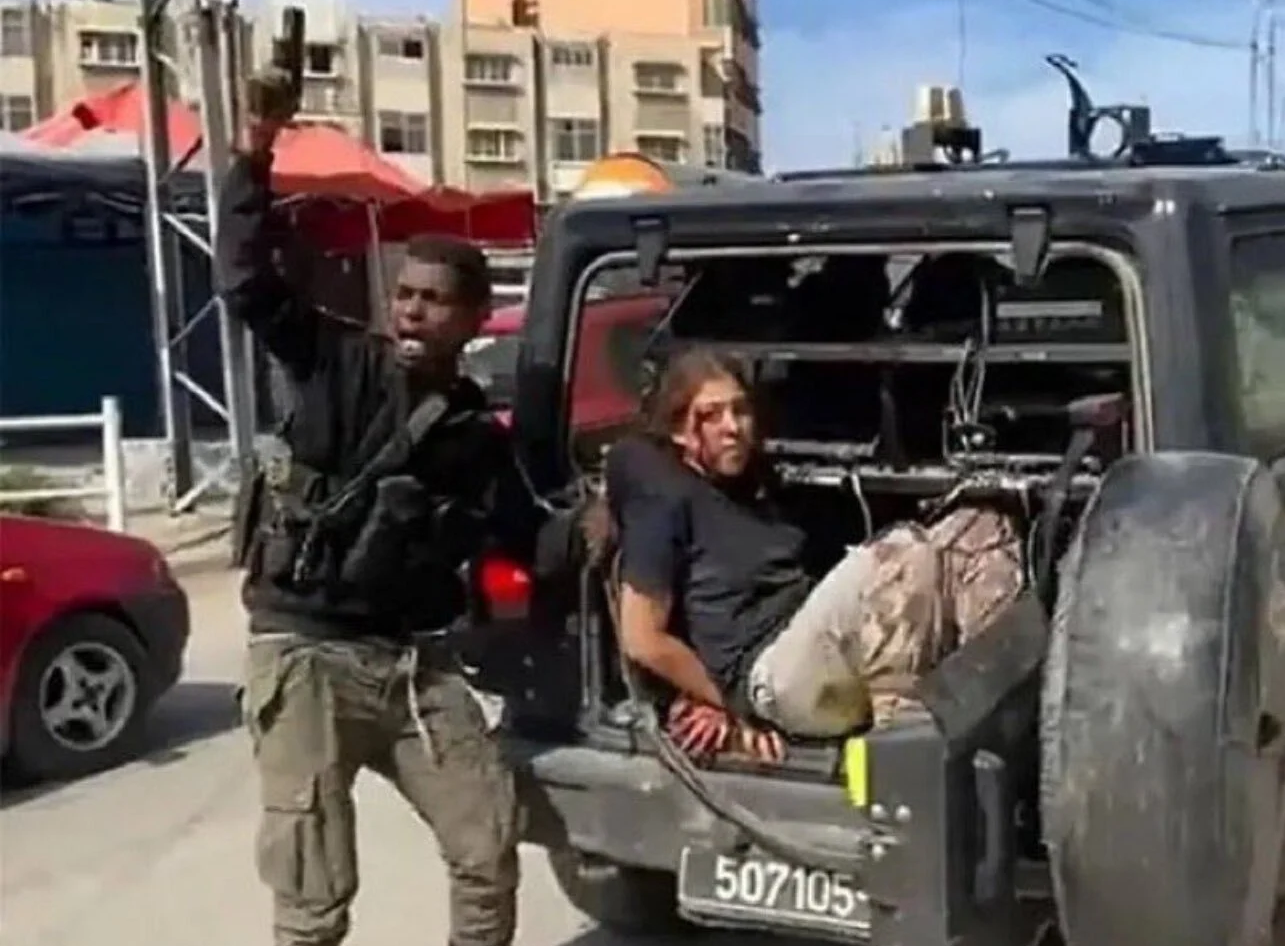
A 300-page report, places renewed focus on evidence of systematic sexual violence committed during the October 7 massacre by Hamas and the captivity in Gaza that followed. The report draws on survivor testimony, forensic material, and video evidence recorded by the terrorists themselves. Its findings are expected to shape legal cases, public discussion, and future international human rights investigations.
The international response to October 7 revealed a troubling hesitation to acknowledge crimes against Israeli victims. These findings should force institutions, media outlets, and activists to confront evidence that some initially ignored or dismissed.
What is in the report
According to Dr Elkayam-Levy, chair of the Civil Commission on October 7 Crimes by Hamas Against Women and Children, the report presents evidence that sexual violence during the attack was not isolated or random. The commission argues that the violence formed part of a broader campaign of terror directed at civilians.
The report documents three phases of abuse. The first phase covers the attacks carried out in Israeli communities and at the Nova music festival. The second examines abductions into Gaza. The third focuses on the treatment of hostages during captivity.
Among the most disturbing claims are accounts of family members being threatened or assaulted in front of one another. The commission uses the term “kinocide[3]” to describe the deliberate targeting of family bonds. The concept was developed together with former Canadian justice minister Irwin Cotler and the Raoul Wallenberg Centre for Human Rights.
The evidence matters because terrorist groups often attempt to erase or deny sexual crimes after attacks. In this case, the commission shows that Hamas fighters themselves recorded some of the evidence through body cameras and phones used during the assault.
Atrocity Controversy
The October 7 massacre produced immediate global outrage after Hamas terrorists killed about 1,200 people, mutilated, raped and kidnapped hundreds more. Yet remarkably, some anti-Israel activists and academics questioned whether enough proof existed. Others accused Israel of exaggerating claims for political reasons.
Many Israelis saw those reactions as deeply offensive. They argued that victims of sexual violence were being treated differently because they were Israeli or Jewish. Critics pointed to the fact that women’s rights organizations and some international institutions appeared hesitant to speak clearly about the allegations in the weeks after the attack.
The issue gained more attention after investigations by journalists, Israeli authorities, and independent groups presented witness accounts and forensic evidence. The United Nations later acknowledged there were reasonable grounds to believe conflict-related sexual violence occurred during the attacks.
For many Israelis, the slow response became part of a larger concern about double standards toward Israel. They argue that crimes which would have produced immediate international condemnation in other conflicts became subjects of political debate when Israeli victims were involved.
Toll on investigators and survivors
An interview with Dr Elkayam-Levy also highlights the emotional burden carried by those gathering the evidence. Investigators reportedly spent years reviewing graphic material and conducting interviews with survivors, witnesses, and released hostages.
The process carries risks for both survivors and researchers. Survivors of sexual violence often fear public exposure, social stigma, or retraumatization. Investigators must balance the need for documentation with the responsibility to protect victims’ dignity.
Dr Elkayam-Levy argued that documenting the crimes serves a larger purpose. Future legal proceedings, historical records, and public memory all depend on evidence gathered close to the events themselves. Without documentation, denial and revisionism can grow over time.
The report also connected Israeli victims with survivors from other conflicts, including Yazidi communities targeted by ISIS and women affected by violence in Sudan and Sierra Leone. According to Elkayam-Levy, some survivors from those conflicts expressed solidarity with Israeli victims after hearing the commission’s findings.
What is to be done
The report should carry consequences outside Israel. Human rights experts have increasingly recognized sexual violence as a weapon of war and terror. International courts and tribunals now treat rape and related crimes as potential crimes against humanity and war crimes.
Governments and legal bodies must face pressure to pursue stronger action against Hamas leaders and terrorists linked to the attacks.